
Cleopatra’s Spring, Siwa Oasis: Discover the Legendary Natural Pool of Egypt
Imagine swimming in a natural spring surrounded by palm trees, warm desert air, and the peaceful atmosphere of one of Egypt’s most fascinating oases. The water is clear, the scenery is unforgettable, and local stories connect this place to one of history’s most famous queens.
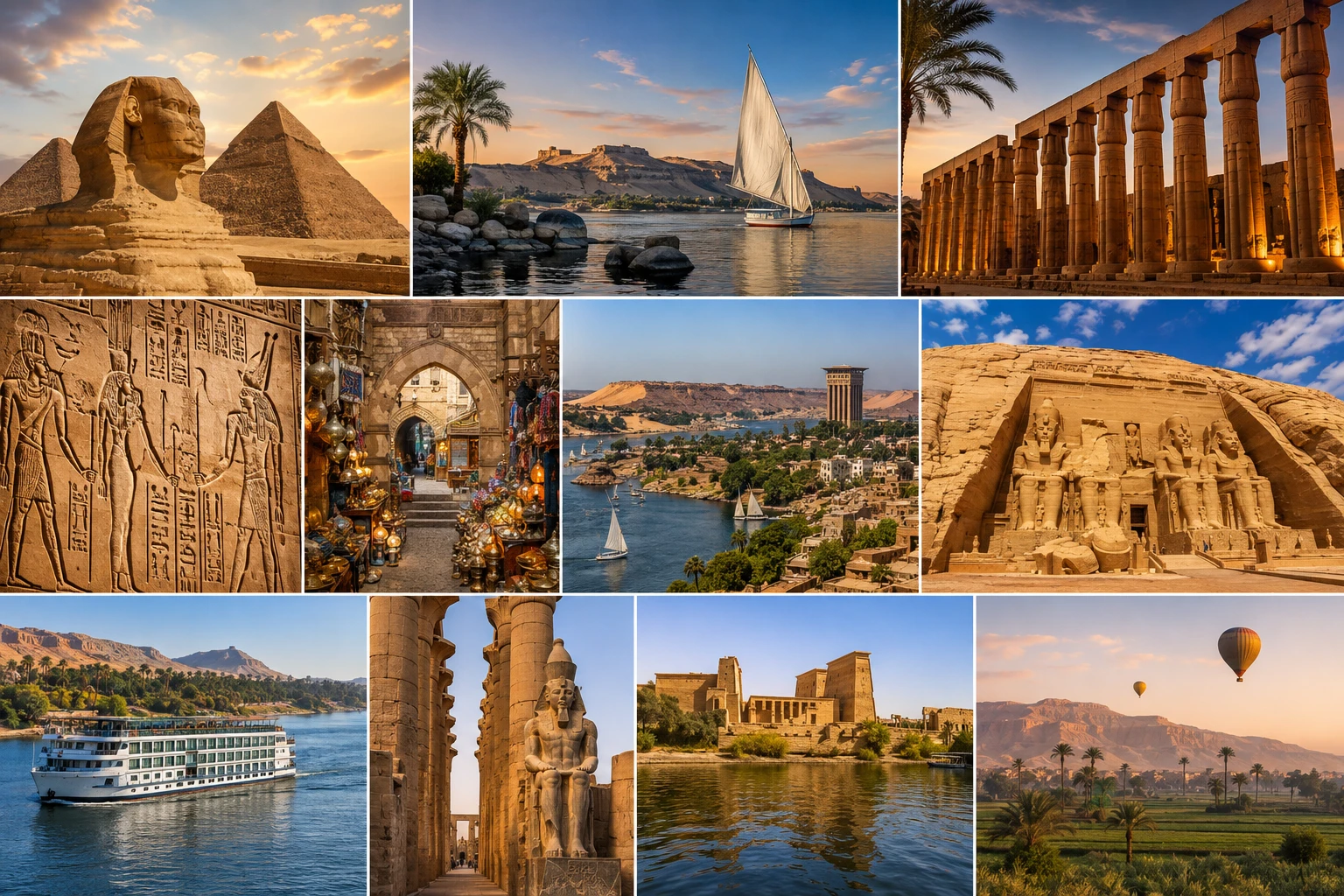
Welcome to Cleopatra’s Spring, also known as Cleopatra’s Bath, one of the best-known natural attractions in Siwa Oasis. Whether you visit to swim, relax, take photographs, or explore the legends of ancient Egypt, this spring offers a memorable stop on any Siwa adventure.
1. Where Is Cleopatra’s Spring?
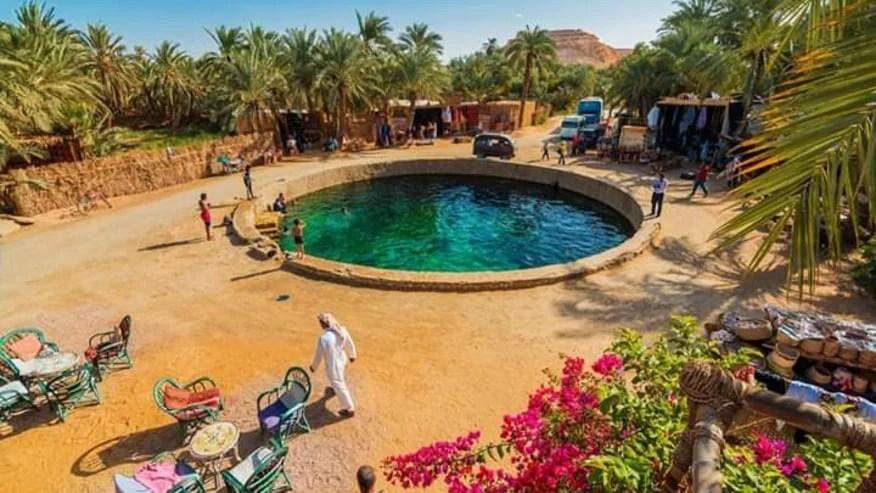
Cleopatra’s Spring is located in Siwa Oasis, in Egypt’s Western Desert, near the town center and surrounded by the oasis’s characteristic palm groves.
Siwa lies close to the Libyan border and is known for its Amazigh (Berber) heritage, natural springs, salt lakes, olive farms, and dramatic desert landscapes.
The spring is easy to combine with a visit to other attractions around Siwa, making it a popular stop for visitors exploring the oasis.
2. The Legend of Cleopatra
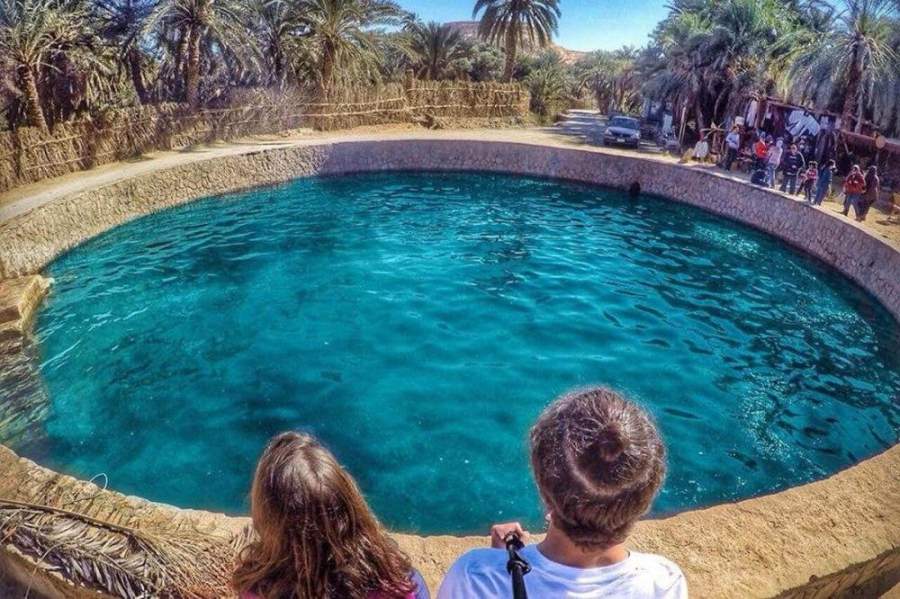
The spring’s name is connected to a popular local legend that says Queen Cleopatra VII once bathed in its waters during her visit to Siwa.
The story adds a special sense of mystery to the place. However, there is no firmly established historical evidence confirming that Cleopatra personally swam here.
What makes Siwa historically significant is its connection to the ancient world. Alexander the Great famously visited the Oracle of Amun in Siwa in 331 BC, a sanctuary that played an important role in the religious and political imagination of the ancient Mediterranean.
So, while Cleopatra’s connection belongs to local tradition rather than verified history, the spring remains part of an oasis with a genuinely remarkable past.
3. The Spring and Its Natural Water
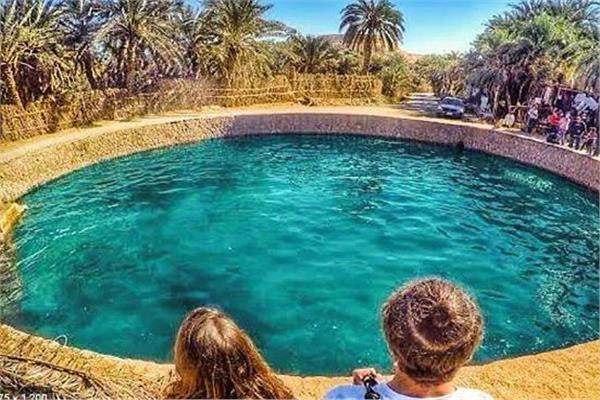
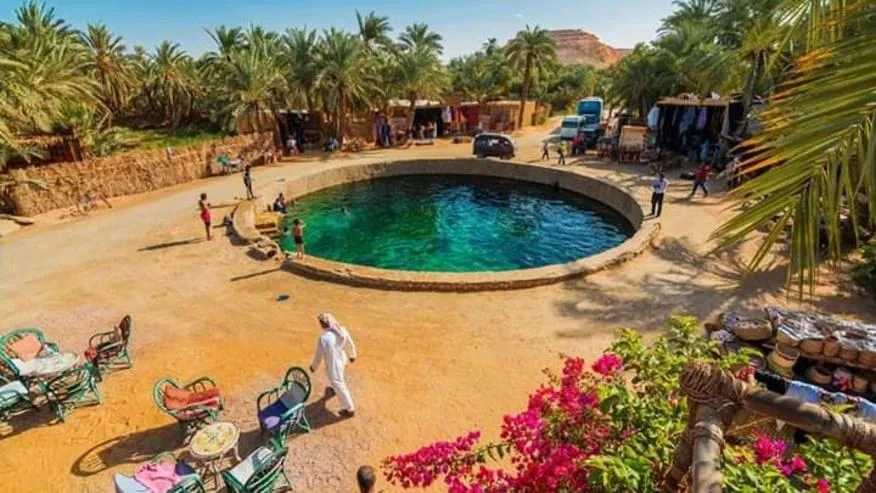
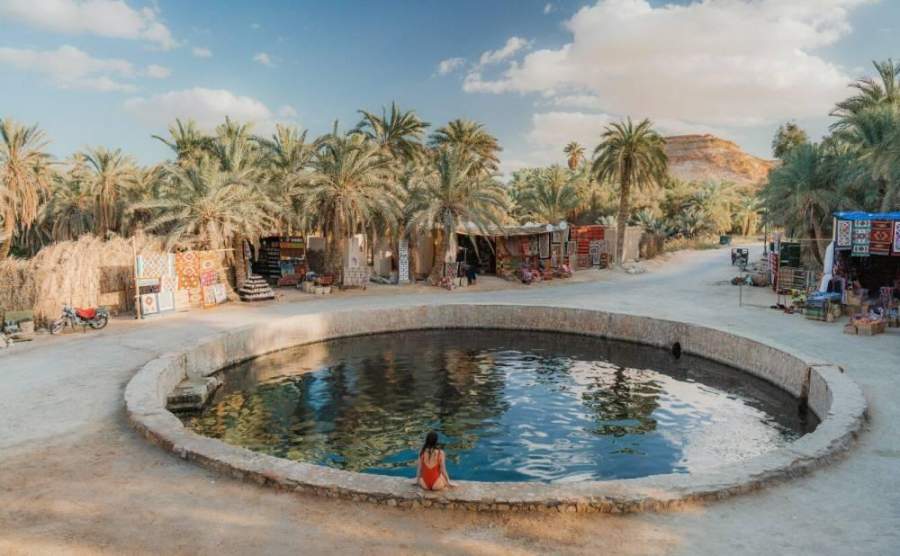
Cleopatra’s Spring is a stone-lined pool fed by naturally flowing groundwater. Bubbles can often be seen rising from the bottom, creating the distinctive appearance that makes the spring so recognizable.
It is commonly described as a warm spring, and its water is part of the groundwater system that sustains life in the oasis. Unlike Siwa’s famous salt lakes, this is a freshwater bathing spot.
The spring has long been used by local residents and visitors. Its appeal comes from the simple pleasure of enjoying natural water in the middle of a desert landscape.
4. What Is It Like to Visit?
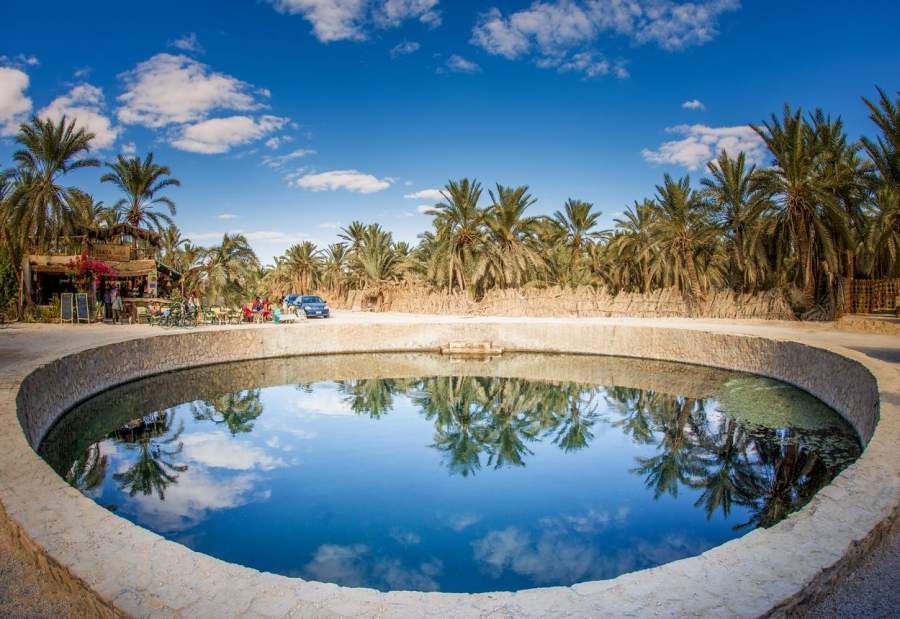
The atmosphere around the spring is relaxed and social. Cafés and small shops nearby give visitors a place to sit, enjoy a drink, and experience everyday life in Siwa.
You can choose to:
-
Take a refreshing swim in the spring.
-
Sit beside the water and enjoy the palm-tree scenery.
-
Try local drinks and snacks at a nearby café.
-
Take photographs of the pool and its surroundings.
-
Spend some time relaxing between sightseeing stops.
It is not a large resort or a modern swimming complex. Its charm lies in its natural setting and connection to local life.
5. Local Culture and Visitor Etiquette
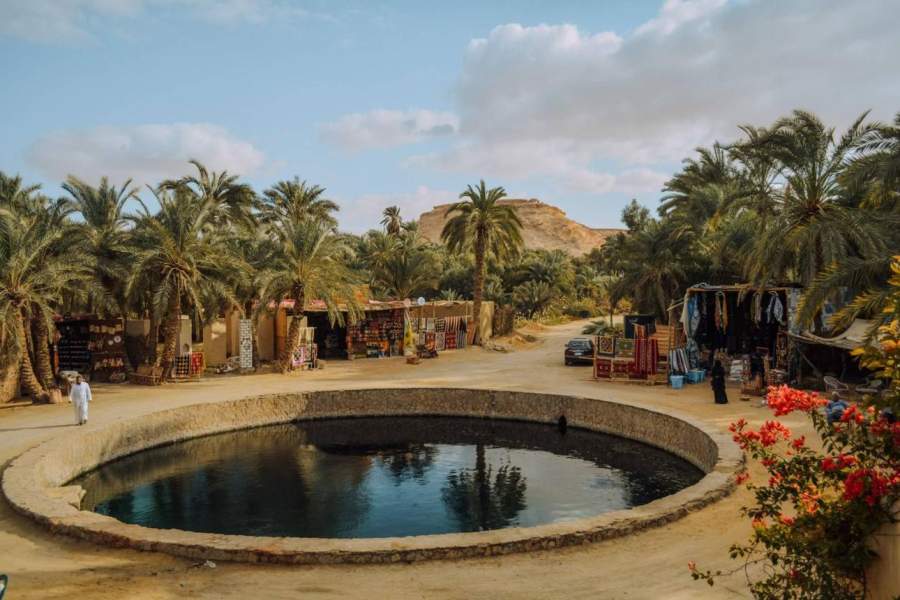
Siwa has a distinctive Amazigh cultural identity, with traditions and customs that make it different from many other Egyptian destinations.
Because Cleopatra’s Spring is a public place used by the local community, visitors should be considerate of local expectations. Modest clothing is advisable, particularly outside the water. Women may prefer to wear suitable covering swimwear and check local arrangements before swimming.
Bring a towel, a change of clothes, and cash for any café purchases. Be careful around the pool edge, which can become slippery, and supervise children closely.
6. Nearby Attractions
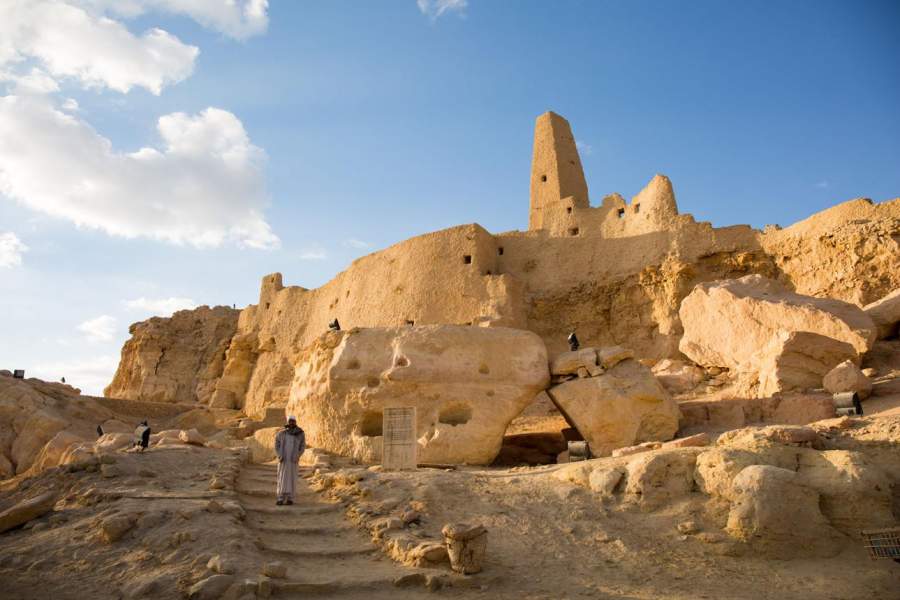
Cleopatra’s Spring fits naturally into a wider sightseeing trip around Siwa. Two nearby historical highlights are:
-
Temple of the Oracle of Amun: The ancient sanctuary famously visited by Alexander the Great in 331 BC.
-
Temple of Umm Ubayda: An ancient temple dedicated to Amun, of which significant remains are still visible.
You can also explore Shali Fortress, the historic settlement known for its traditional buildings made from local salt-rich earth.
Combining the spring with these sites gives you a lovely mix of nature, archaeology, and local culture.
7. The Best Time to Visit
Spring and autumn are generally comfortable seasons for exploring Siwa and enjoying outdoor activities.
For a more relaxed visit, consider going in the late afternoon, when the sunlight becomes softer and the surrounding palm groves look especially beautiful.
Winter is also a popular season for exploring the oasis, although evenings can be cold. Summer temperatures can be very high, so plan outdoor visits carefully and stay hydrated.
8. Practical Tips Before You Go
-
Bring swimwear: Choose clothing appropriate for the local setting.
-
Carry a towel: You will want something to dry off with after swimming.
-
Bring cash: Nearby cafés and small businesses may not accept cards.
-
Watch your step: Stone surfaces around natural pools can be slippery.
-
Respect local customs: Ask before taking photographs of local people.
-
Check current conditions: Facilities, access, and arrangements can change, so ask your local guide or driver before visiting.
9. Why Cleopatra’s Spring Deserves a Place on Your Siwa Itinerary
Cleopatra’s Spring is more than a famous name on a tourist map. It is a living part of Siwa’s natural environment and local culture.
The combination of flowing spring water, palm trees, traditional cafés, and ancient stories creates an experience that feels very different from Egypt’s crowded historical attractions.
And perhaps that is the real magic of this place: you do not need a royal legend to appreciate the beauty of swimming in a natural spring in the heart of the Western Desert.
Visit Cleopatra’s Spring, enjoy the peaceful atmosphere, and discover one of the most memorable experiences in Siwa Oasis.